There are different traditional therapies available in Ayurveda that help in relaxation, general wellbeing and comfort. Two of them that are popular are, Panchakarma and Traditional Ayurvedic massage. Even though both the therapies are part of Ayurvedic tradition, there are differences in methods, goals, duration, procedures, etc.
Many want to know more about Ayurvedic therapies like Traditional Ayurvedic Massage and Panchakarma. Traditional Ayurvedic Massage is an oil application therapy to relax the body, mind, and senses. Panchakarma is a therapy to find the imbalances in the body, to prepare the body for the treatment and to administer the treatment.
It is good to know the differences between Panchakarma and Traditional Ayurvedic Massage, so the people can make right choices while choosing the therapies in the Ayurvedic centers in Sharjah.
What is Panchakarma in Ayurveda?
Panchakarma is a specialized procedure to detoxify and rejuvenate the body and mind. As described in the classical texts, Panchakarma is one of the special therapies to eliminate the dosha imbalances in the body.
Vamana: is a therapeutic emesis (vomiting) used to remove kapha dosha from the body.
Virechana: is a therapeutic purgation to remove pitta dosha from the body.
Basti: is an enema therapy for vata dosha.
Nasya: is administration of medicine through the nostrils to treat dosha in the head and neck region.
Raktamokshana: is a bloodletting therapy to remove excess blood (rakta) from the body.
Depending on the individual’s health conditions, only a few of these procedures are performed by an Ayurvedic doctor.
Main Stages of Panchakarma
There are three main stages to traditional Panchakarma.
1. Purva Karma
These procedures prepare the body to receive the treatments. They may consist of Snehana and Swedana. It may also include dietary restrictions.
2. Pradhana Karma
This stage consists of the Panchakarma treatments which may include Vamana, Virechana, or Basti, among others.
3. Paschat Karma
This stage deals with the recovery process, dietary restrictions, and gradual reintroduction to daily activities. It consists of the traditional dietary restriction procedure known as Samsarjana Krama.
Without these three stages, Panchakarma would be the same as an average Ayurvedic Massage.
What is a Regular Ayurvedic Massage?
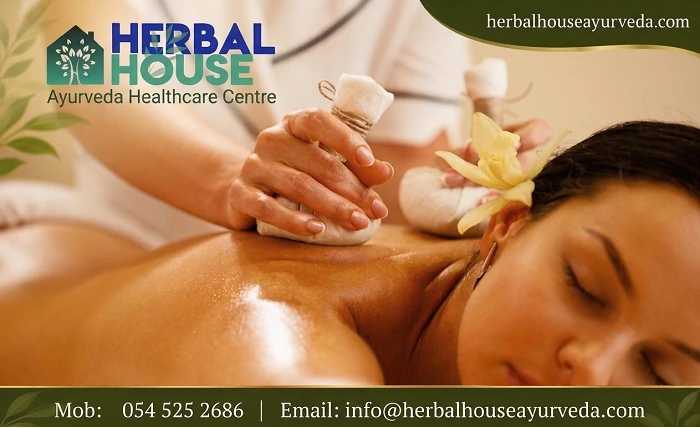
Ayurvedic massage involves the application of medicated oils on the body through traditional massage methods. One of the best-known practices is called Abhyanga. It is a massage using warm medicated oils.
Panchakarma consists of the five principal treatments as well as preparatory cleansing procedures. Ayurvedic massage is usually performed to promote wellness and relaxation and may not include the five treatments and/or the cleansing procedures.
Common Types of Ayurvedic Massage
1. Abhyanga
Abhyanga is a massage using warm medicated oils. It promotes relaxation and general wellness.
2. Shiro Abhyanga – Ayurvedic Head Massage
This therapy uses various herbal oils for massage on the head and scalp. This therapy is more of a relaxation and personal care measure.
3. Pada Abhyanga – Ayurvedic Foot Massage
Pada Abhyanga is a traditional oil massage on the feet to restore comfort and relaxation.
These external therapies are more individualized, and should not be clubbed with Panchakarma procedures.
Panchakarma vs Regular Ayurvedic Massage: Key Differences
While both are a part of Ayurveda, there are several major differences between Panchakarma and regular Ayurvedic massage.
Purpose of Treatment: Panchakarma is a traditional therapeutic program designed by Ayurvedic physicians based on individual assessments and diagnosis. Regular Ayurvedic massage is designed for relaxation and general comfort through external herbal oil application.
Treatment procedures: Panchakarma comprises various procedures. Regular massage is a single procedure.
Individual Assessment: In-depth assessment by a qualified Ayurvedic Physician is mandatory before commencement of Panchakarma. Regular massage does consider individual assessment and contraindications.
Treatment duration: The duration of Panchakarma may stretch to a few days, weeks or months based on individual requirements. Regular massage is usually performed as part of a wellness routine.
Supervision: Some of the Panchakarma procedures require close supervision of a qualified Ayurvedic Physician. Most of the regular massage procedures do not require supervision.
Dietary guidelines: Various dietary rules are prescribed before, during and after some procedures of Panchakarma. Regular Ayurvedic massage does recommend dietary modifications as part of an overall wellness plan but a formal dietary plan will not be recommended as part of routine massage.
Which Is Better: Panchakarma or Regular Ayurvedic Massage?
In general, Panchakarma is a plan of management prescribed by an Ayurvedic physician. A plan of management is essentially a combination of interventions based on the patient’s presentation and individual requirements. Regular Ayurvedic massage is a good choice for an individual interested in traditional oil massage for relaxation and general wellness.
An individual who is interested in traditional Ayurvedic massage may choose Abhyanga, which is part of regular Ayurvedic treatment, and an individual interested in traditional Ayurvedic treatment may choose Panchakarma.
Benefits of Panchakarma and Ayurvedic Massage
According to Ayurvedic principle and practice, traditionally Panchakarma is indicated for deep interior body cleansing and management of doshas. Its preparatory procedures are also relaxing and rejuvenating.
Ayurvedic massage, as part of an overall wellness plan, is also relaxing, improves physical comfort, and provides a soothing massage experience.
How to Choose an Ayurvedic Treatment Centre in Sharjah?
Practitioners who practice authentic Ayurveda, as well as the centers that provide Ayurvedic treatments in Sharjah, are a few. The treatments offered in Sharjah should be based on authentic Ayurvedic principles.
When considering therapy at Herbal House Ayurveda:
- Research the qualifications of their Ayurvedic practitioners and therapists.
- Inquire about what exactly the service includes. Is it full Panchakarma or simply a massage?
- Disclose all medical conditions, allergies, and medications.
- Find out about the necessary preparation and diet restrictions.
- Become aware of post treatment activities and what you are allowed to do.
- Learn about hygiene practices, treatment processes, and associated risks.
Find out what kind of supervision will be provided for procedures like Vamana and Virechana. Discuss what Panchakarma treatments are contraindicated for your pre-existing conditions.
Determining between Panchakarma and a simple massage requires an understanding of individual needs and goals.
Herbal House Ayurveda provides an opportunity to try traditional Ayurvedic treatments in a safe environment, under qualified and experienced staff.
Conclusion
Regular Ayurvedic massages are primarily for relaxation and comfort, while Panchakarma is a more extensive and detailed therapeutic system. While individuals may have different requirements and goals for treatment, those in Sharjah can consider Herbal House Ayurveda for Panchakarma treatment and Ayurvedic massages.